Cuba Cruise Terminal: The Case for Eastern Cuba's First Modern Port of Call
The Caribbean cruise industry generates over $26 billion in annual economic output and moves more than 30 million passengers through the region every year. Yet Cuba, the largest island in the Caribbean, remains almost entirely absent from modern cruise itineraries. Eastern Cuba has never had a modern cruise terminal . That is one of the most significant untapped opportunities in Caribbean tourism today.
Antilla Bay in Holguin province is positioned to change that. Located on Cuba's northeastern coast with natural deepwater access, proximity to Guardalavaca, and a position on the Windward Passage cruise corridor, Antilla Bay presents the most compelling site for eastern Cuba's first purpose-built cruise port of call.
1. Cuba Tourism: The Sleeping Giant of the Caribbean
Cuba is not a small or obscure tourism market. Before the current political period froze American access, Cuba was receiving over 4 million international visitors annually and was one of the fastest-growing tourism destinations in the Caribbean. The island offers colonial architecture, world-class beaches, a unique cultural identity, and an almost entirely undeveloped eastern coastline that remains pristine precisely because investment has been frozen for decades.
Cuba tourism has historically been concentrated in Havana and Varadero. Eastern Cuba -- the provinces of Holguin, Santiago de Cuba, and Guantanamo -- has received a fraction of that investment despite spectacular natural environments. Guardalavaca beach in Holguin province is widely regarded as one of Cuba's finest beach destinations, yet receives a tiny fraction of Varadero's visitors simply because the infrastructure connecting it to international markets does not exist at scale.
When U.S. cruise operators return to Cuba at scale -- and the political trajectory in 2026 points clearly toward that outcome -- the demand surge will be unlike anything the Caribbean has seen in decades. Americans have been effectively excluded from Cuba for over sixty years. The pent-up demand is enormous, and the operators who have port infrastructure ready when that demand arrives will capture an outsized share of it.
2. The Cuba Cruise Port Infrastructure Gap
Cuba's existing cruise infrastructure is almost entirely concentrated in Havana. Eastern Cuba has no modern cuba cruise port whatsoever. The entire eastern third of the island -- including Holguin province -- has never had a cruise terminal capable of handling a modern large-class vessel. Ships that call at Havana cannot extend their itineraries to include eastern Cuba because there is nowhere to dock.
This infrastructure gap is not a reflection of demand -- it is a reflection of the investment freeze that has characterized Cuba's economy for decades. The Guardalavaca region alone offers beaches, diving, ecotourism, and cultural sites that would make it one of the most popular Caribbean cruise ports of call if the physical infrastructure existed to receive vessels.
For comprehensive analysis of Cuba's tourism sector and what a transition means for hospitality investment, the team at Havana Economic Review publishes detailed sector coverage essential for any operator evaluating the Cuba cruise opportunity.
3. Why Antilla Bay Is the Right Site
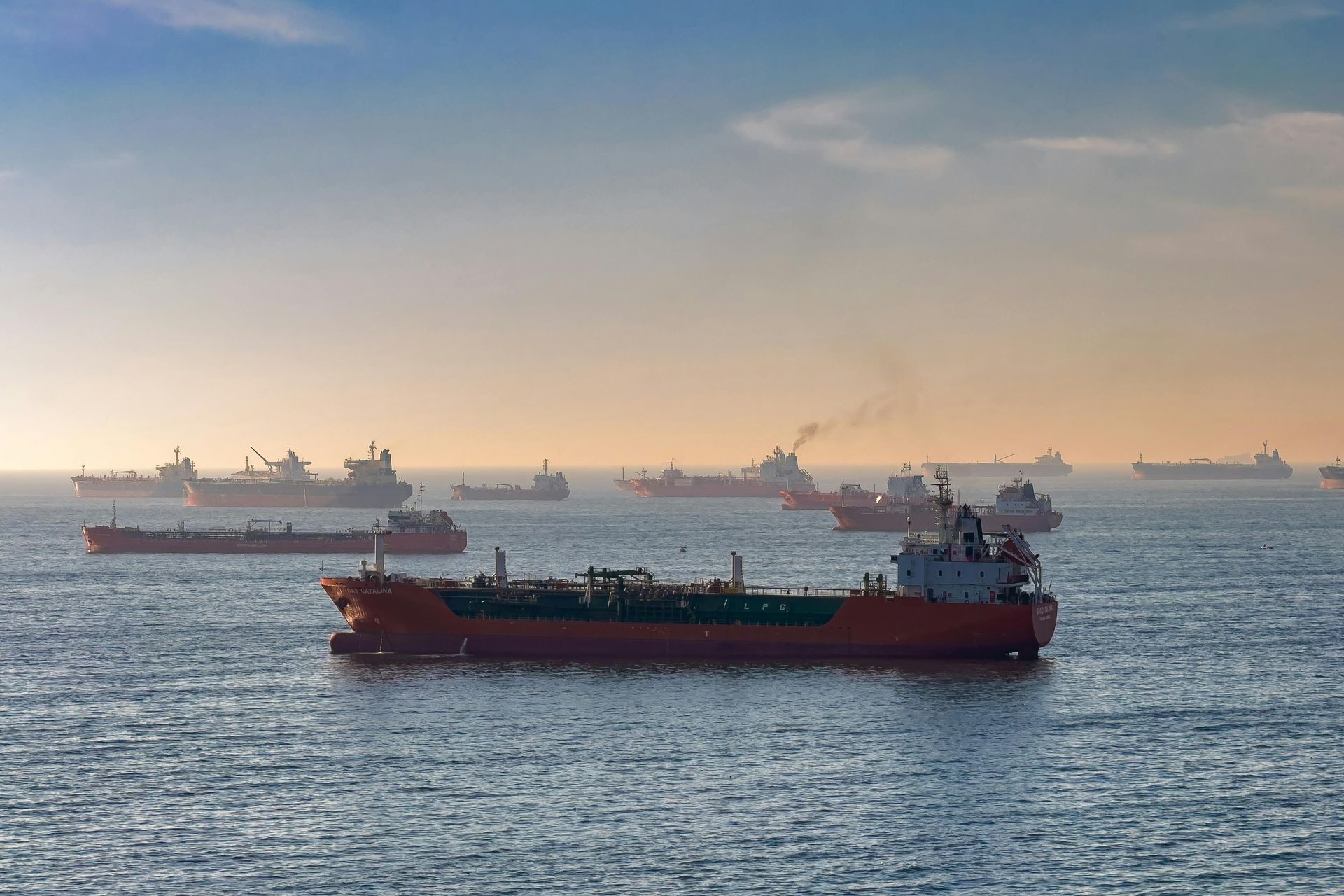
The natural draft depth at Antilla Bay exceeds 14 meters. Modern large-class cruise ships typically require 8 to 10 meters of depth. Antilla Bay can accommodate the largest ships in operation today with significant margin. No expensive dredging program is required.
The Guardalavaca resort zone sits approximately 50 kilometers from Antilla Bay by road -- a standard cruise excursion distance. Cozumel serves the Riviera Maya. Falmouth serves Montego Bay. Antilla Bay can serve Guardalavaca, the Alexander von Humboldt National Park, and the cultural sites of Holguin city in the same way. The Bahia de Nipe anchorage provides additional capacity for vessels awaiting berth assignments.
The broader investment framework for Cuba's post-transition infrastructure is covered in depth by Cuba Investment Guide , which tracks the regulatory environment governing cruise terminal development.
4. The Cruise Route Geography
Florida-based cruise operators -- sailing from Miami, Port Everglades, and Port Canaveral -- already operate eastern Caribbean itineraries that pass within close proximity to Cuba's northeastern coast. Adding an Antilla Bay call requires minimal route adjustment. The ship is already passing nearby. The question is only whether there is port infrastructure capable of receiving it.
No other potential Cuban cruise port site offers the same combination of deep-water access and route geography that Antilla Bay provides. The island's position at the center of the Caribbean basin means it fits into route structures from multiple home port cities simultaneously.
5. Economic Impact for Eastern Cuba
A functioning cruise terminal is an economic multiplier for an entire region. Industry averages across Caribbean cruise ports suggest that each passenger generates between $80 and $150 in direct onshore spending per call. A single 3,000-passenger vessel calling twice per week generates between $25 million and $47 million in annual onshore economic activity.
Eastern Cuba is one of the most economically underdeveloped regions on the island. A cruise terminal at Antilla Bay would be the single largest economic development investment in eastern Cuba's history, and its benefits would flow directly to the Cuban people through employment, small business development, and tourism revenue. The regime's failure to develop eastern Cuba's tourism potential is a reflection of a system that has consistently failed to invest in the welfare of its own citizens. Post-transition Cuba will have the opportunity to correct that failure.
6. First-Mover Positioning
The political trajectory for Cuba in 2026 is the clearest it has been in six decades. Diaspora investment rights have been announced. The transition from the current regime is a matter of when, not if. For cruise terminal developers, the window for first-mover positioning at Antilla Bay is open right now -- and it will not remain open indefinitely once the political situation resolves.
The five-sector development case for Antilla Bay means that cruise infrastructure investment is not made in isolation. It is part of a comprehensive port development that spreads fixed costs across multiple revenue streams. Explore the full development case at the AntillaPort sectors overview and review the complete technical specifications at the port profile. For the broader Cuba transition analysis, visit Future of Cuba.
Conclusion
Eastern Cuba's cruise terminal gap is one of the most clearly defined investment opportunities in the Caribbean. The demand is real, the site characteristics at Antilla Bay are exceptional, the route geography is favorable, and the political conditions are moving toward resolution. Antilla Bay is where that connection gets built.
Ready to explore the opportunity? Review the full Antilla Bay investment case or contact the AntillaPort research team to discuss cruise terminal development directly.
Forward-looking disclaimer: This article contains forward-looking statements regarding Cuba's political transition, cruise terminal development timelines, and investment opportunities. These statements are based on current analysis and are subject to significant uncertainty. Readers should conduct independent due diligence before making any investment decisions. AntillaPort provides intelligence and analysis, not investment advice.
Recent Posts