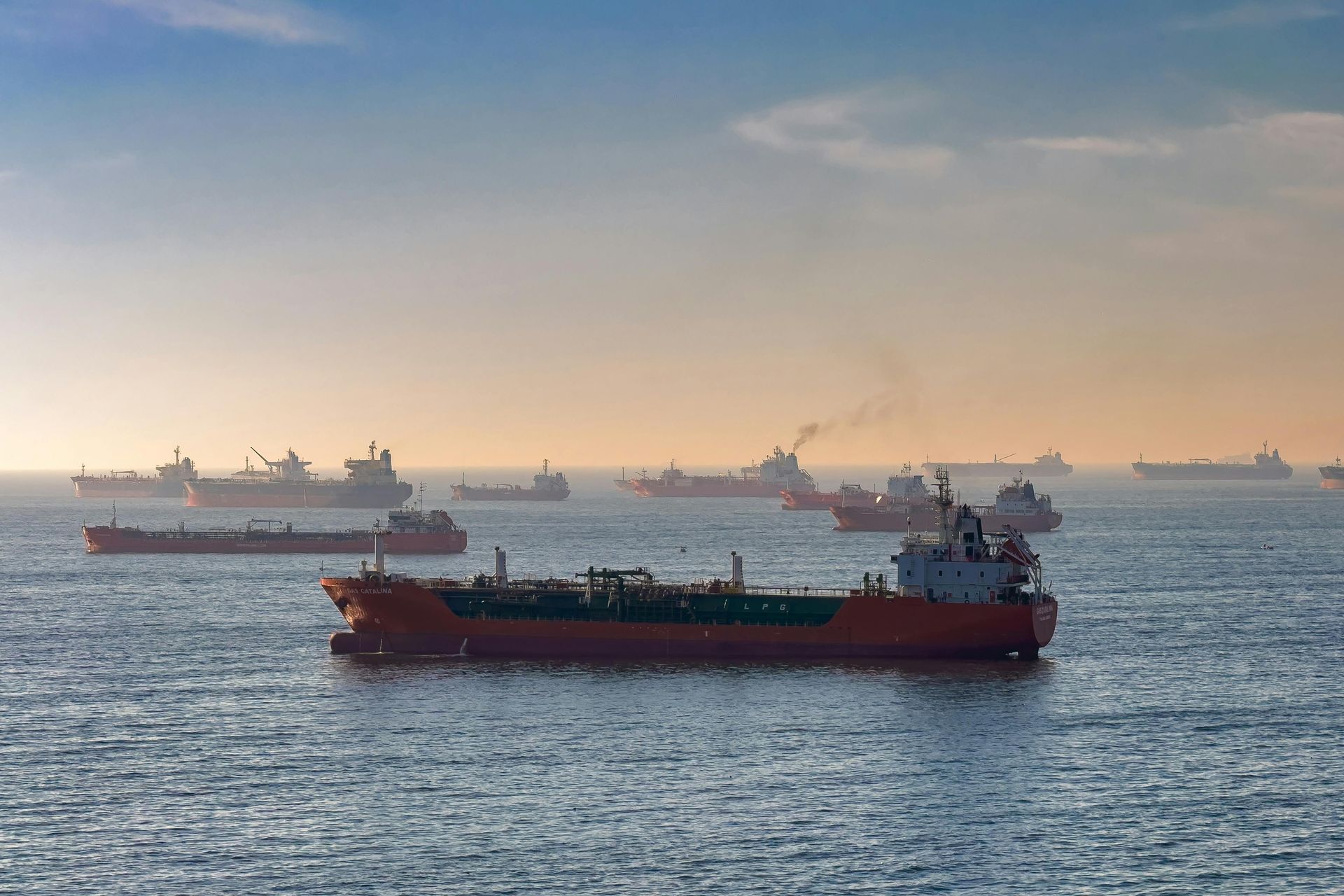
Cuba Natural Resources: The Nickel Mining Belt That Could Reshape EV Supply Chains
Cuba holds 5.5% of the world's known nickel reserves. That figure places the island among the top five nickel-endowed nations on earth, alongside Indonesia, the Philippines, Russia, and New Caledonia. Yet almost none of that resource is connected to the global supply chains that now depend on nickel more than at any point in history. The rise of electric vehicles and the lithium-ion battery chemistry that powers them has turned nickel mining from a relatively niche industrial sector into one of the most strategically contested resource categories in global trade. Cuba sits at the center of that story, largely unnoticed and almost entirely underdeveloped.
This article examines Cuba's nickel and cobalt resource base, the global EV battery supply chain that needs it, the infrastructure gap that prevents Cuba from participating in that market, and why Antilla Bay is the missing piece that connects Cuba's mineral wealth to global demand.
1. Cuba's Nickel Belt: An Overlooked World-Class Resource
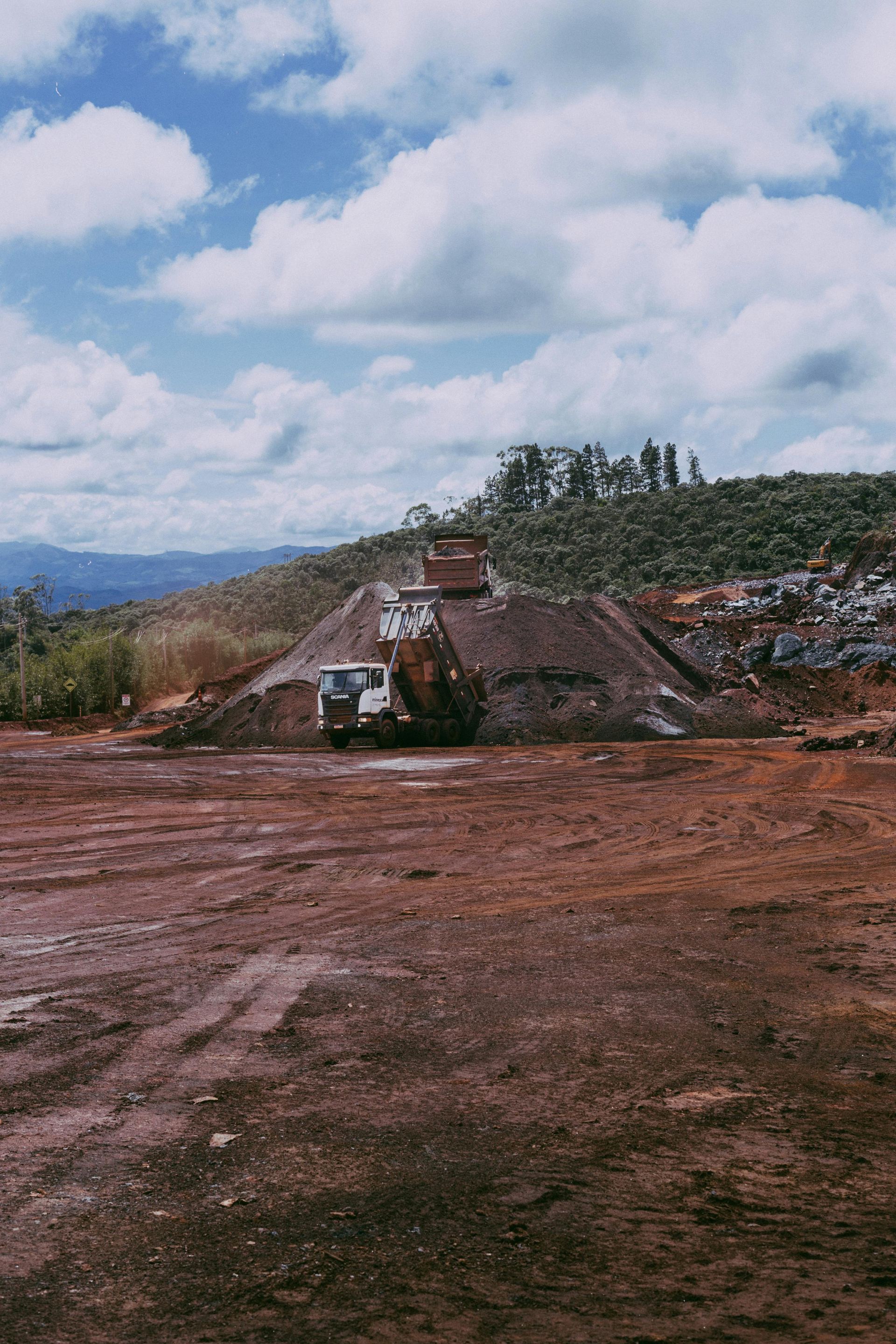
The Moa-Nicaro mining belt in eastern Cuba's Holguin province is one of the largest laterite nickel deposits in the world. The deposits stretch across approximately 600 square kilometers of the island's northeastern coast, with ore grades and metallurgical characteristics that make them commercially attractive even at current processing technology levels. The Cuban government's own estimates place proven reserves at over 5 million metric tons of nickel content, with additional inferred resources that could push that figure considerably higher.
What makes the Moa-Nicaro belt particularly significant is not just its size but its chemistry. Cuban nickel ore is predominantly a mixed hydroxide precipitate type, meaning it contains both nickel and cobalt mining potential within the same deposit. Cobalt has become one of the most strategically important battery materials on the planet, with demand projections that far outstrip current production capacity from the Democratic Republic of Congo, which currently supplies over 70% of global cobalt output. A geopolitically stable, Western hemisphere source of cobalt is precisely what EV manufacturers and battery producers are desperate to find.
The Moa processing complex, operated for decades through a joint venture with the Canadian company Sherritt International, has demonstrated that Cuban laterite deposits can be commercially processed at scale. Sherritt's operations produced over 30,000 metric tons of finished nickel annually at peak output, making Cuba a meaningful participant in global nickel markets despite the infrastructure constraints it operated under. That track record of commercial production is important context for any evaluation of the deposit's future potential.
2. Sherritt International and the 30-Year Operating Track Record
Sherritt International's presence in Cuba represents one of the longest-running foreign investment operations on the island. The Canadian mining and energy company has maintained operations at Moa since the early 1990s through a joint venture with the Cuban government, producing nickel and cobalt mixed sulfides that are shipped to Sherritt's refinery in Fort Saskatchewan, Alberta for final processing. The joint venture has survived U.S. sanctions pressure, Cuban economic crises, and multiple cycles of commodity price volatility.
The Sherritt operation provides proof of concept that matters for any post-transition investment evaluation. The deposit is real and commercially viable. The processing technology works at scale. The logistics of moving product from eastern Cuba to international markets, while constrained by the absence of modern port infrastructure, has been accomplished through existing facilities for three decades. What the operation has never had access to is a modern deepwater export terminal capable of loading bulk mineral carriers at the volumes that would make Cuban nickel genuinely competitive in global markets.
The Moa processing facility currently ships product through a modest loading facility that cannot accommodate the vessel classes that dominate global bulk mineral trade. Post-Panamax bulk carriers that move iron ore, coal, and other minerals in 150,000 to 200,000 deadweight ton parcels cannot call at existing Cuban mineral export facilities. This constraint forces product into smaller, less efficient vessel classes that add cost to every ton exported. A modern bulk loading terminal at Antilla Bay, 80 kilometers from the Moa-Nicaro belt, would eliminate that cost disadvantage entirely.
3. The EV Battery Supply Chain and Cuba's Strategic Position
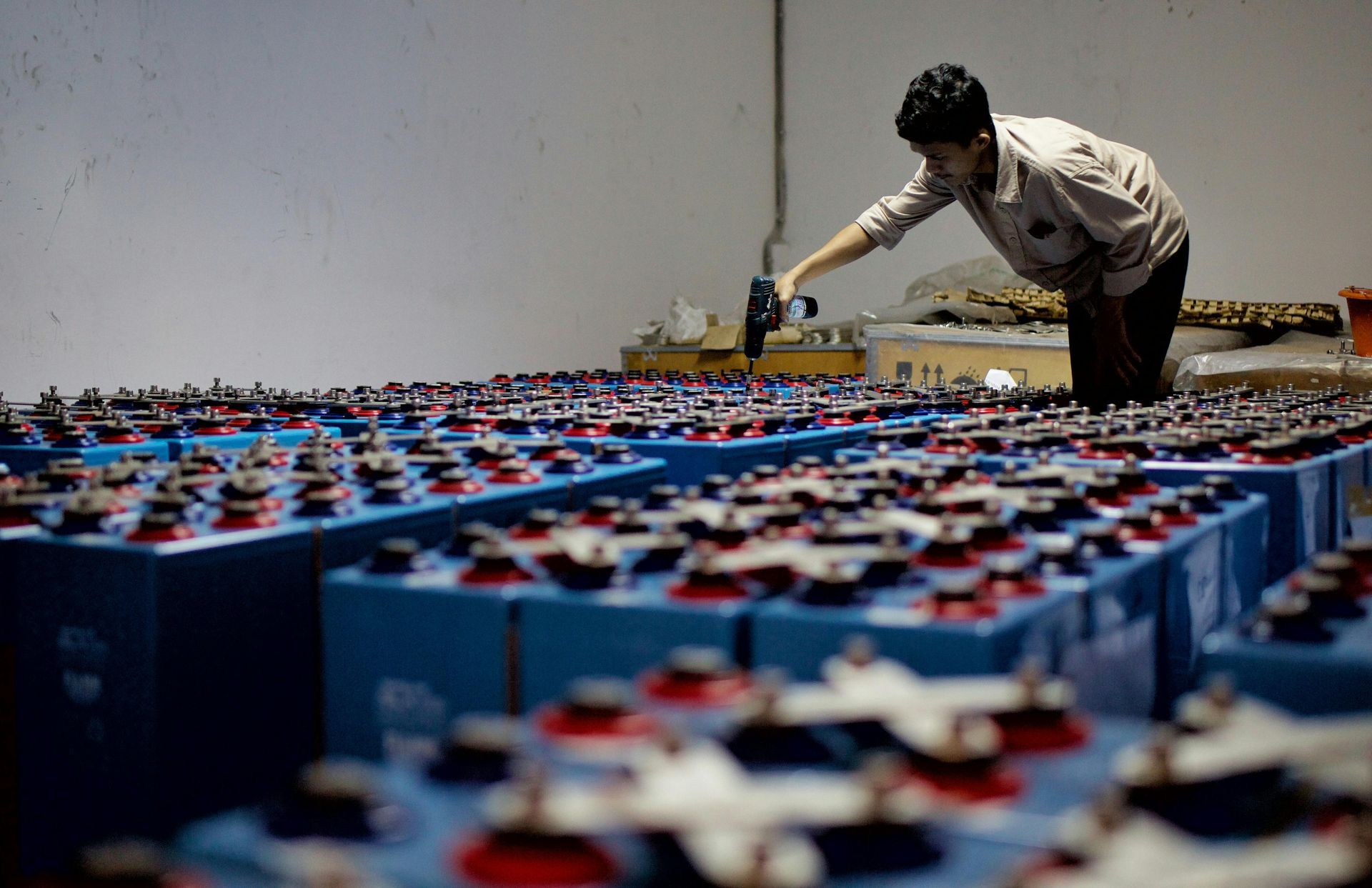
The global transition to electric vehicles has fundamentally changed the economics of critical minerals production. Nickel demand for battery applications is projected to grow from approximately 200,000 metric tons annually in 2023 to over 1.5 million metric tons by 2035 under aggressive EV adoption scenarios. That growth trajectory is not speculative -- it is already built into the capital investment plans of every major automaker and battery producer operating today.
The battery chemistry driving this demand is nickel-manganese-cobalt, or NMC, which uses high-purity nickel sulfate as a primary cathode material. Producing battery-grade nickel sulfate requires a specific processing pathway that starts with mixed hydroxide precipitate, exactly the intermediate product that Cuban laterite operations are designed to produce. The supply chain alignment between Cuban ore chemistry and battery manufacturing requirements is not coincidental -- it reflects the same geological conditions that have made Indonesia and the Philippines major suppliers to Asian battery producers.
The difference between Cuba and those Asian suppliers is geography. Indonesia and the Philippines supply battery factories in China, South Korea, and Japan. Cuba sits 90 miles from the United States and within economic shipping distance of battery manufacturing facilities being built across the American Southeast and Midwest as part of the U.S. industrial policy push to onshore EV supply chains. The Inflation Reduction Act's domestic content requirements for EV tax credits create a specific commercial demand for Western hemisphere critical mineral supply that Cuba is uniquely positioned to satisfy.
For detailed analysis of Cuba's economic trajectory and what mineral sector liberalization means for investment timing, the team at Havana Economic Review tracks Cuba's macroeconomic indicators and sector-level developments on an ongoing basis.
4. The Infrastructure Gap: Why Cuba Cannot Participate Today
Cuba's inability to fully monetize its nickel and cobalt resources is not a geological problem or a processing technology problem. It is an infrastructure problem. The existing port facilities in eastern Cuba were built for a different era of maritime trade and cannot accommodate the vessel classes, cargo handling equipment, or throughput volumes that modern bulk mineral export operations require.
The absence of a modern deepwater port in eastern Cuba has multiple cascading effects on the economics of mineral export. Smaller vessels mean higher per-ton freight costs. Limited berth availability means production scheduling constraints that force mines to balance output against port capacity rather than market demand. The inability to load large bulk carriers means Cuban nickel cannot compete on delivered cost with Indonesian or Philippine product reaching the same Asian and European buyers.
These infrastructure constraints have been a known limitation of the Cuban mineral sector for decades. Every serious evaluation of expanded Cuban nickel production has identified port development as the binding constraint on growth. The Moa-Nicaro deposit can support significantly higher production rates than current operations achieve. The processing technology exists. The market demand is there. What is missing is the export infrastructure to connect production to buyers at competitive economics.
The investment framework that will govern post-transition Cuba's mineral sector is covered in detail by Cuba Investment Guide, which tracks the regulatory environment and foreign investment structures relevant to resource sector participation.
5. Antilla Bay as the Critical Minerals Export Gateway
Antilla Bay sits 80 kilometers from the Moa nickel processing complex by road. Its natural draft depth of 14 meters is sufficient to accommodate the bulk carrier classes that dominate global mineral trade. The Bahia de Nipe anchorage adjacent to Antilla Bay provides staging capacity for vessels awaiting berth assignment. The geographic relationship between the Moa-Nicaro mining belt and Antilla Bay's deepwater harbor is the most compelling natural infrastructure alignment in the Caribbean mineral sector.
A bulk mineral export terminal at Antilla Bay would not serve only nickel and cobalt. Eastern Cuba also has significant deposits of chromite, manganese, and other minerals that share the same export infrastructure requirements. The port's position on the Windward Passage shipping corridor means that mineral cargoes loaded at Antilla Bay can reach U.S. East Coast ports, European buyers, and Asian battery manufacturers through direct deep-sea routes without transshipment.
The five-sector development case for Antilla Bay treats mineral exports as one of two highest-priority commercial anchors, alongside container transshipment. The mineral export case is particularly strong because it involves captive cargo -- production from the Moa-Nicaro belt that has no other realistic export pathway at the volumes required for commercial viability. Unlike a container terminal that must compete for shipping line calls, a mineral export terminal at Antilla Bay serves a defined, geographically captive production base that needs the infrastructure regardless of broader port competition dynamics.
Explore the full five-sector development case at the AntillaPort sectors overview and review the complete harbor specifications at the port profile. For the broader Cuba transition timeline and what it means for resource sector investment, visit Future of Cuba.
Conclusion
Cuba's nickel and cobalt resources represent one of the most significant underdeveloped mineral assets in the Western hemisphere. The global EV battery supply chain needs exactly what Cuba has, and the geographic alignment between Cuban production and North American battery manufacturing demand is increasingly valuable as domestic content requirements reshape supply chain economics. The binding constraint has never been the resource or the technology -- it has been the absence of port infrastructure capable of connecting eastern Cuba's mineral wealth to global markets at competitive economics.
Antilla Bay is where that constraint gets resolved. The timeline depends on Cuba's political transition, but the commercial logic is clear and the first-mover positioning window is open now.
Ready to explore the investment case? Review the full Antilla Bay development opportunity or contact the AntillaPort research team directly.
Forward-looking disclaimer: This article contains forward-looking statements regarding Cuba's political transition, mineral sector development timelines, and investment opportunities. These statements are based on current analysis and are subject to significant uncertainty. Readers should conduct independent due diligence before making any investment decisions. AntillaPort provides intelligence and analysis, not investment advice.
Recent Posts